"Perfect. Will be back for more!"
Anna S.
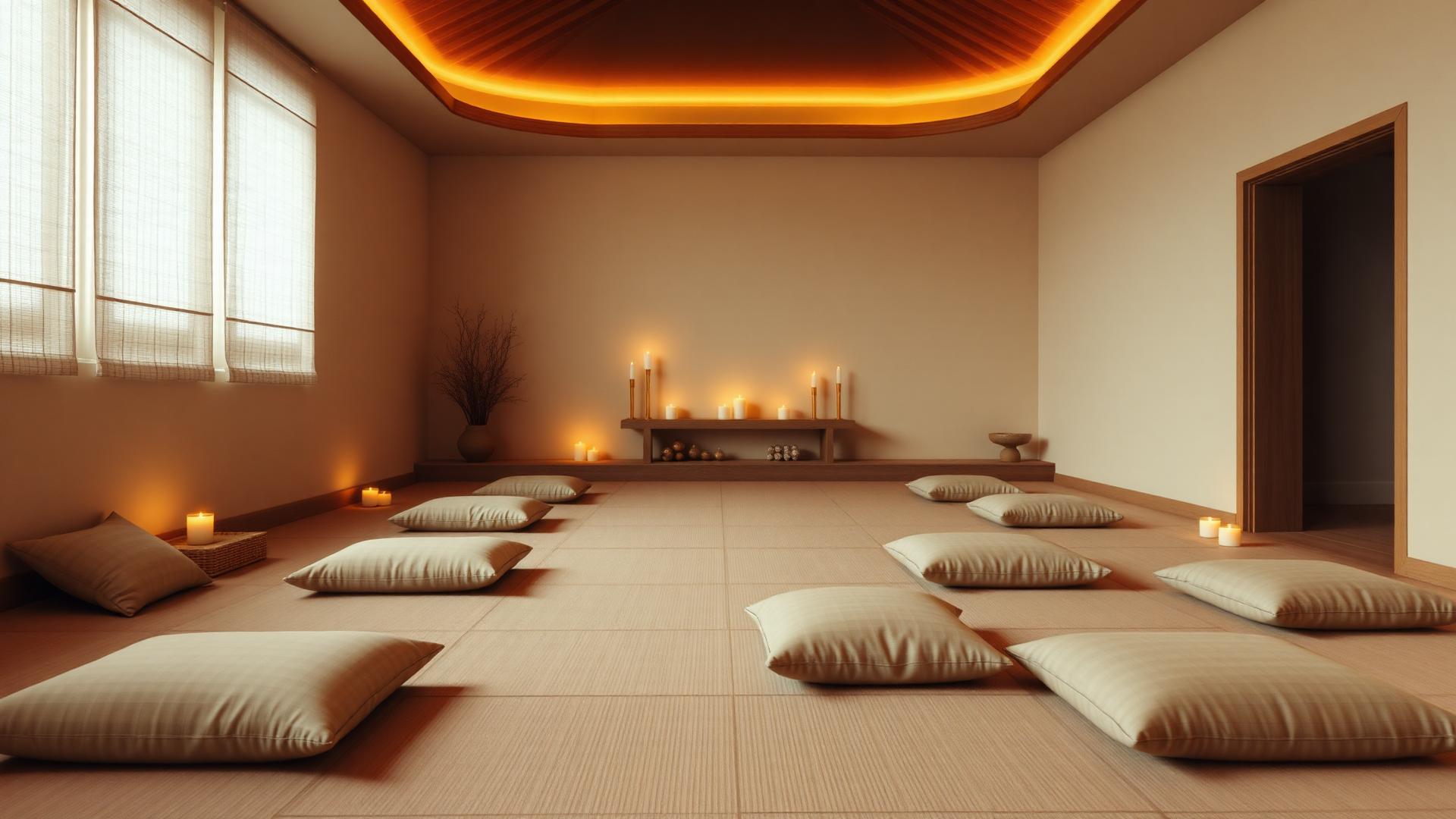
One to one meditation teaching in Holborn to help you build a steady, realistic practice for calmness and mental clarity.
Meditation is a practice of sitting quietly and training attention, usually through the breath, the body or a simple point of focus. It is taught in secular settings for stress and sleep, and it also has roots in older contemplative traditions. Our Holborn clinic offers one to one sessions rather than group classes, so the pace and technique can be matched to you rather than the other way round.
Meditation is a set of techniques for training attention and awareness, usually through the breath, a phrase, or observing bodily sensation. Regular practice is associated with feeling calmer and more able to notice thoughts without being swept along by them. At our Holborn clinic, sessions are one to one, taught by an experienced meditation teacher, and last 30 or 60 minutes. There is no expectation that the mind will go blank. Most of the early work is simply noticing when attention has wandered and returning to the chosen focus.
Regular sitting practice is one of the more accessible ways to interrupt a constant state of alertness, particularly for people whose work does not let up during the day.
A short practice before bed, or simply learning to settle a racing mind, is one of the more common reasons people come for one to one teaching.
Attention is trainable. Short, regular sessions build the capacity to notice distraction and return to a task, which carries over into work and study.
Many people notice they have slightly more space between a triggering event and their reaction, though this takes sustained practice rather than a single session.
Meditation does not remove physical symptoms, but some people find it changes their relationship to pain and reduces how much it dominates the day.
Some people come with no specific complaint, wanting a settled daily habit and a teacher to check their technique and answer questions as they progress.
Your teacher asks about your experience, if any, what has brought you to meditation now, and what you hope to get from it.
Clear guidance on posture, breathing and the specific technique chosen for that session, adjusted to what you find comfortable.
A supported sitting practice with gentle guidance, so you are not left to work out what to do with a wandering mind on your own.
A short review of how the session felt and practical suggestions for a realistic daily practice between appointments.
A yogic monk who has practised and taught yogic meditation for more than forty years in many countries. He teaches one to one sessions of 30 or 60 minutes, focused on calmness, stress release, mental clarity and inner peace, and is the author of 'Meditation: Searching for the Real You'.
View full profileYou sit, usually on a chair rather than the floor unless you prefer otherwise, and are guided through a technique suited to your experience and what you have come for. A first session spends time on posture and breathing before moving into the practice itself, because getting comfortable matters more than people expect.
It is entirely normal for the mind to wander, repeatedly, throughout a session. That is not a sign you are doing it wrong. The practice is the noticing and returning, not the absence of thought. Your teacher will check in afterwards on what you experienced and adjust the approach for next time.
Yogic meditation, taught here by Dada Jyotirupananda, draws on a long contemplative tradition and typically works with the breath and a point of inner focus. Secular mindfulness-based approaches, more common in NHS and workplace settings, are usually simpler and framed around stress reduction rather than a wider tradition.
Neither is more correct than the other, and the practical techniques often overlap a great deal. What matters more than the tradition is whether the approach and the teacher suit you, which is why a first session is largely a conversation before any formal practice.
Mindfulness-based approaches have a reasonable evidence base for stress and for reducing relapse in recurrent depression, and NICE recommends mindfulness-based cognitive therapy as an option for preventing relapse in people who have had several episodes of depression. Evidence for meditation more broadly, across the many different techniques and traditions, is more mixed and often limited by small study sizes.
We see meditation as a supportive practice rather than a treatment for a diagnosed mental health condition. If you have a diagnosed condition such as depression, anxiety or PTSD, please keep your GP or existing mental health support involved, and mention this to your teacher so the approach can be suited to your situation.
Meditation is low risk for most people. Occasionally, sitting quietly with your own thoughts can bring up difficult emotions or memories, particularly for people with a history of trauma. Tell your teacher if this happens, because the technique or pace can be adjusted, and a talking therapy may be a better starting point for some people.
Meditation teaching is not a regulated profession in the United Kingdom in the way medicine or physiotherapy is, so look for a teacher with genuine, sustained experience rather than a short course certificate. Dada Jyotirupananda has taught meditation for over forty years internationally.
Apps and recordings are useful and cost nothing much, and for some people they are enough. Where they fall short is when something is not working and there is nobody to ask. Sitting with persistent restlessness, dozing off every time, a sore back after five minutes, or a mind that becomes more agitated rather than calmer, are all common and all have practical answers.
One to one teaching means the technique is matched to you and corrected as you go, and that you can describe what actually happened rather than guessing whether it was right. It also means the practice can be sized to your life, which for most working people means something short and regular rather than a long daily sit that quietly gets abandoned.
"Perfect. Will be back for more!"
Anna S.
"Great location in the heart of the city! I would say it's a quiet oasis in a very busy area, a place to relax after a hard day at work."
Robert D.
Sessions are held at 46 Theobalds Road, a few minutes from Holborn station. Get in touch to arrange a time.
Book Appointment