"Perfect. Will be back for more!"
Anna S.
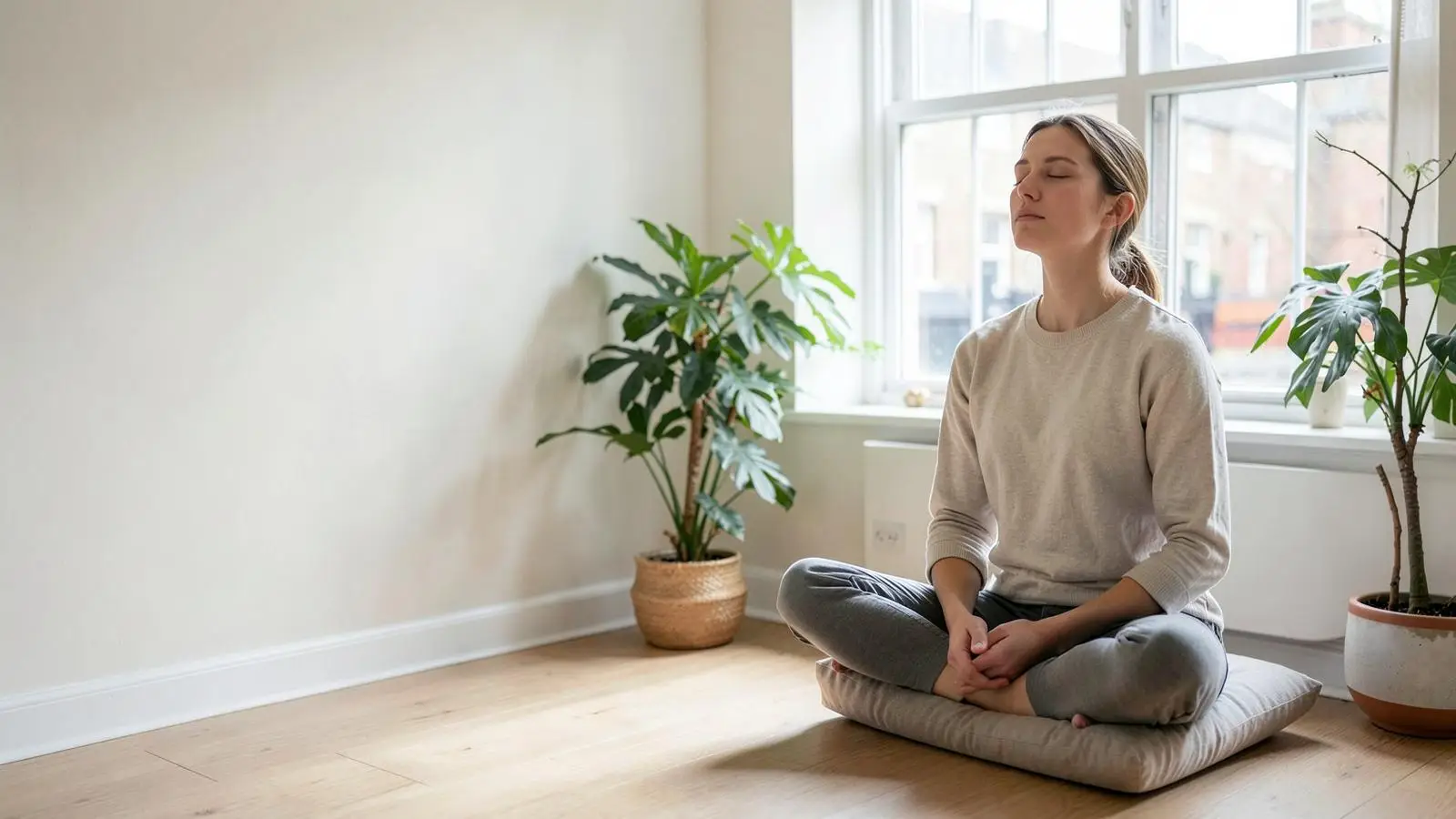
Guided breathing sessions in Holborn for stress, anxiety and better everyday breathing, combining pranayama with straightforward breathing technique.
Breathwork is guided, conscious breathing practice used to calm the nervous system and change unhelpful breathing habits. At our Holborn clinic, sessions draw on pranayama, the breathing practices of yoga, alongside more contemporary breathing coaching, and are taught one to one so the pace and technique suit you. People come mainly for stress, anxiety and a general sense of being wound up.
Breathwork is a general term for guided breathing techniques used to calm the nervous system, ease anxiety, and correct patterns such as shallow chest breathing or over-breathing. A session usually starts with a conversation about your breathing habits and what has brought you in, followed by guided practice of one or more techniques, such as slower paced breathing, box breathing or pranayama. Most people feel noticeably calmer by the end of a session, though changing an established breathing pattern usually takes regular practice over several weeks.
Slower, guided breathing activates the parasympathetic nervous system, which is one of the most reliable ways to bring down a state of high alert quickly.
Learning to control the breath can help interrupt the physical symptoms of anxiety, such as a racing heart or shallow breathing, as a supportive skill alongside other care.
A calming breathing practice before bed helps many people settle, particularly where a busy mind or physical tension is getting in the way of sleep.
Chronic shallow or upper-chest breathing is common and often goes unnoticed. Coaching can help shift this towards a fuller, more efficient breathing pattern.
Some people, including performers and athletes, use breathing technique specifically to settle nerves before a demanding event.
Many clients report feeling clearer and steadier after a session, though this is what people tell us rather than a claim we can measure.
A discussion of your current breathing habits, what has brought you in, and any relevant health history.
A simple, non-invasive look at your breathing pattern to identify anything that might be contributing to how you feel.
Practice of one or more techniques, such as pranayama, slower paced or coherent breathing, chosen to suit what you need that day.
A short discussion of what you noticed, and a simple, realistic home practice to build the habit between sessions.
Qualified yoga teacher of over 20 years with a specialism in pranayama, alongside her work as a Clinical Hypnotherapist and Hypno-Analyst. She teaches breathing practice as part of a wider approach to stress and anxiety.
View full profileBreathing coach and mind performance coach, also a certified practitioner of neuro-linguistic programming and hypnotherapy. He works with adults, young people and athletes on breathing technique for calmness and focus under pressure.
View full profileYou remain fully clothed and seated or lying down, and are guided verbally through each technique. There is no need to force or exaggerate the breath. Your practitioner watches how you are responding and adjusts pace and technique accordingly, particularly if you feel light headed, which can happen briefly with some breathing exercises.
Techniques used vary between practitioners and may include pranayama practices from yoga, slower paced breathing, box breathing, or simple coherent breathing at around five to six breaths a minute, which is well documented as calming for the nervous system.
Pranayama is the breathing practice within yoga, and it includes a range of specific techniques developed over a long tradition. Deborah teaches this alongside her yoga practice. More contemporary breathing coaching, as offered by John Christian, tends to focus more directly on nervous system regulation and performance, drawing on modern understanding of respiratory physiology.
Both approaches share the same underlying principle: how you breathe affects your physical and mental state, and this can be trained. Which suits you better usually comes down to personal preference and what else you are hoping to get from the sessions.
Slow paced breathing techniques have reasonably good evidence for reducing physiological markers of stress and for lowering blood pressure and heart rate in the short term. Evidence for breathwork as a treatment for diagnosed anxiety disorders or panic disorder is less established, and it should sit alongside rather than replace properly evaluated treatments such as therapy or medication where these are needed.
We are cautious about more intense breathwork styles that involve prolonged fast breathing, as these are not something offered here and can carry more risk. What we offer is calmer, slower paced practice suited to everyday stress and sleep.
Slow, guided breathing is low risk for most people. Tell your practitioner if you have a heart condition, uncontrolled high or low blood pressure, epilepsy, are pregnant, or have a history of panic attacks, because technique and pace will be adjusted. Mild light headedness can happen with some techniques and settles quickly by returning to normal breathing.
Breathwork is not a regulated profession in the United Kingdom, so look for a practitioner with genuine, relevant training. Anything that feels wrong, or any chest pain or severe breathlessness, needs urgent medical attention rather than a breathing session.
Many people who come to breathwork are breathing shallowly and quickly through the mouth, mostly into the upper chest, without ever having noticed. Long hours at a desk, a habit of holding the breath while concentrating, blocked nasal breathing, and periods of stress all push breathing in that direction, and it tends to stay there once established.
The effects are easy to mistake for something else: a tight chest, frequent sighing or yawning, light headedness, tension across the neck and jaw, disturbed sleep, and a general sense of being on edge. Working on the mechanics of breathing, nasal rather than mouth, lower rather than upper chest, slower out-breath than in-breath, often changes how the day feels more than people expect.
"Perfect. Will be back for more!"
Anna S.
"Great location in the heart of the city! I would say it's a quiet oasis in a very busy area, a place to relax after a hard day at work."
Robert D.
Sessions are held at 46 Theobalds Road, a few minutes from Holborn station. Get in touch to arrange a time.
Book Appointment