"Perfect. Will be back for more!"
Anna S.
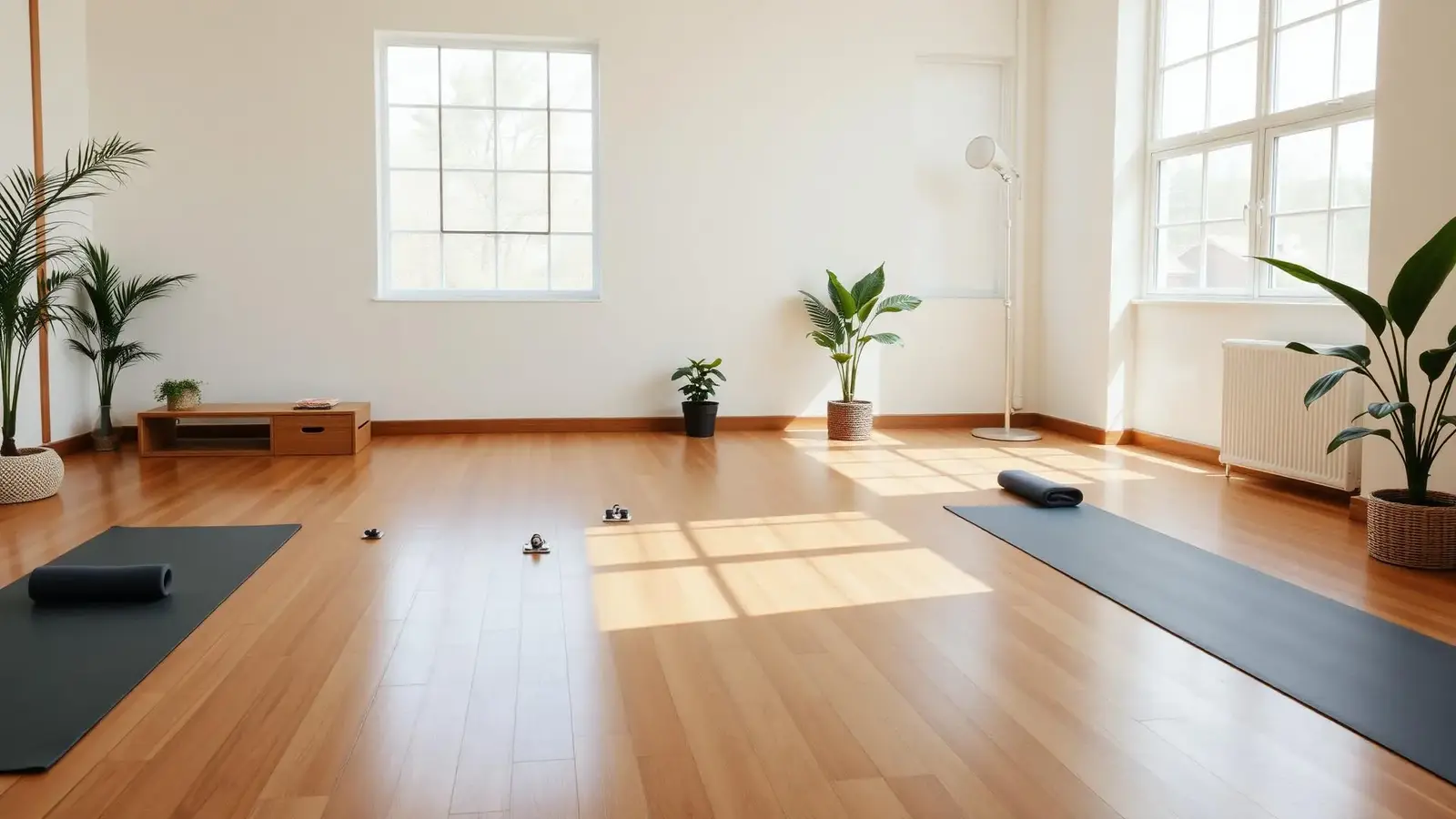
One to one yoga in Holborn, adapted to your body, breath and health, rather than a fixed class sequence.
Yoga combines physical postures, breathing practice and periods of stillness or relaxation. At our Holborn clinic it is taught one to one rather than in a group class, which means the sequence can be built around your current flexibility, any injuries, and what you actually want from it, whether that is easing a stiff back, calming a busy mind, or simply a steady weekly practice.
Yoga is a practice combining physical postures, controlled breathing and, usually, a period of stillness or relaxation at the end. At our Holborn clinic, sessions are one to one rather than a group class, so the sequence is built around your current health, flexibility and goals, and adjusted as you go. This suits complete beginners, people managing an injury or condition, and people who have found group classes move too fast or too slow for what they need.
A well-sequenced practice gently increases range of movement over time, adapted to whatever your starting point is.
Many people come with postural tension from desk work, and specific postures and breathing can ease this alongside other treatment.
The combination of movement, breath and stillness is settling for the nervous system, and sessions often end with a period of guided relaxation.
Pranayama, the breathing side of yoga, is often taught alongside postures and can be practised on its own as a short daily habit.
An evening practice, even a short one, is something many people build into their week to help settle before sleep.
For people returning to movement after an injury or a long period of inactivity, a one to one practice can build strength gradually and safely.
A discussion of your health history, any injuries or conditions, your current activity levels and what you would like from the sessions.
Your teacher chooses postures and breathing practices suited to you, rather than working through a fixed class sequence.
One to one instruction through the postures and breathing, with corrections and adjustments as needed.
A short period of stillness or relaxation, followed by clear suggestions for practising safely at home between sessions.
Qualified yoga teacher with over 20 years of experience, specialising in pranayama, alongside her work as a Clinical Hypnotherapist and Hypno-Analyst. She combines physical postures and breathing practice with a calm, supportive teaching style.
View full profileRather than following a fixed class sequence, your teacher works out what your body and breath are doing that day and adjusts the plan accordingly. This means a session can be more physically active on one visit and much gentler and more restorative on the next, depending on how you are feeling.
Bring loose, comfortable clothing you can move in. You do not need any existing flexibility or experience. Postures are demonstrated and can be modified, and props such as blocks or a strap are used where they help rather than being seen as a sign you are not doing it properly.
Yoga postures, asana, build strength, flexibility and body awareness. Pranayama, the breathing practices, are taught alongside or sometimes as a separate focus, and many people continue a short breathing practice at home even without doing the full physical sequence. A closing period of stillness or relaxation settles the nervous system and is often the part people notice the benefit of most quickly.
There is no requirement to treat yoga as anything other than a physical and breathing practice. Some traditions frame it within a wider philosophy, and you are welcome to explore that if it interests you, but it is not necessary to get the physical and calming benefits.
There is reasonable evidence that yoga can help with chronic low back pain, and NICE guidance on low back pain and sciatica mentions group exercise programmes, which yoga can form part of, as a first-line option. Evidence for yoga's effect on stress, anxiety and general wellbeing is more mixed but generally positive, particularly as a supportive practice alongside other care.
As with most exercise-based approaches, consistency matters more than any single session. We would rather you build a realistic weekly habit than an intensive practice you cannot sustain.
Yoga is generally safe when taught by an experienced teacher and adapted to you individually, which is the main advantage of one to one sessions over a large group class. Tell your teacher about any injuries, surgeries, pregnancy, high or low blood pressure, or joint hypermobility, because postures and pacing will be adjusted.
Yoga teaching is not a statutorily regulated profession in the United Kingdom. Look for a teacher with genuine training and experience, and one willing to adapt the practice to you rather than expecting you to keep up with a standard sequence.
Breathing practice is the part of yoga most often rushed in a busy class, and it is a particular focus for our teacher. Taught one to one, it starts with observing how you already breathe: whether the ribs move, whether the shoulders rise, whether you hold at the top or the bottom of the breath, and what happens to all of that when you are under pressure.
From there, specific practices are introduced gradually. Lengthening the out breath to settle, balancing breath between the nostrils, and simple ratio work are the common starting points. Each is practised while you are comfortable and unhurried, because a breathing technique learned only in a calm room rarely survives its first real test at a desk.
The advantage is portability. Once learned, a few minutes of breathing practice needs no mat, no space and no change of clothes, which is why many people keep it going long after the physical practice has come and gone with the seasons.
"Perfect. Will be back for more!"
Anna S.
"Great location in the heart of the city! I would say it's a quiet oasis in a very busy area, a place to relax after a hard day at work."
Robert D.
Sessions are held at 46 Theobalds Road, a few minutes from Holborn station. Get in touch to arrange a time.
Book Appointment