"Perfect. Will be back for more!"
Anna S.
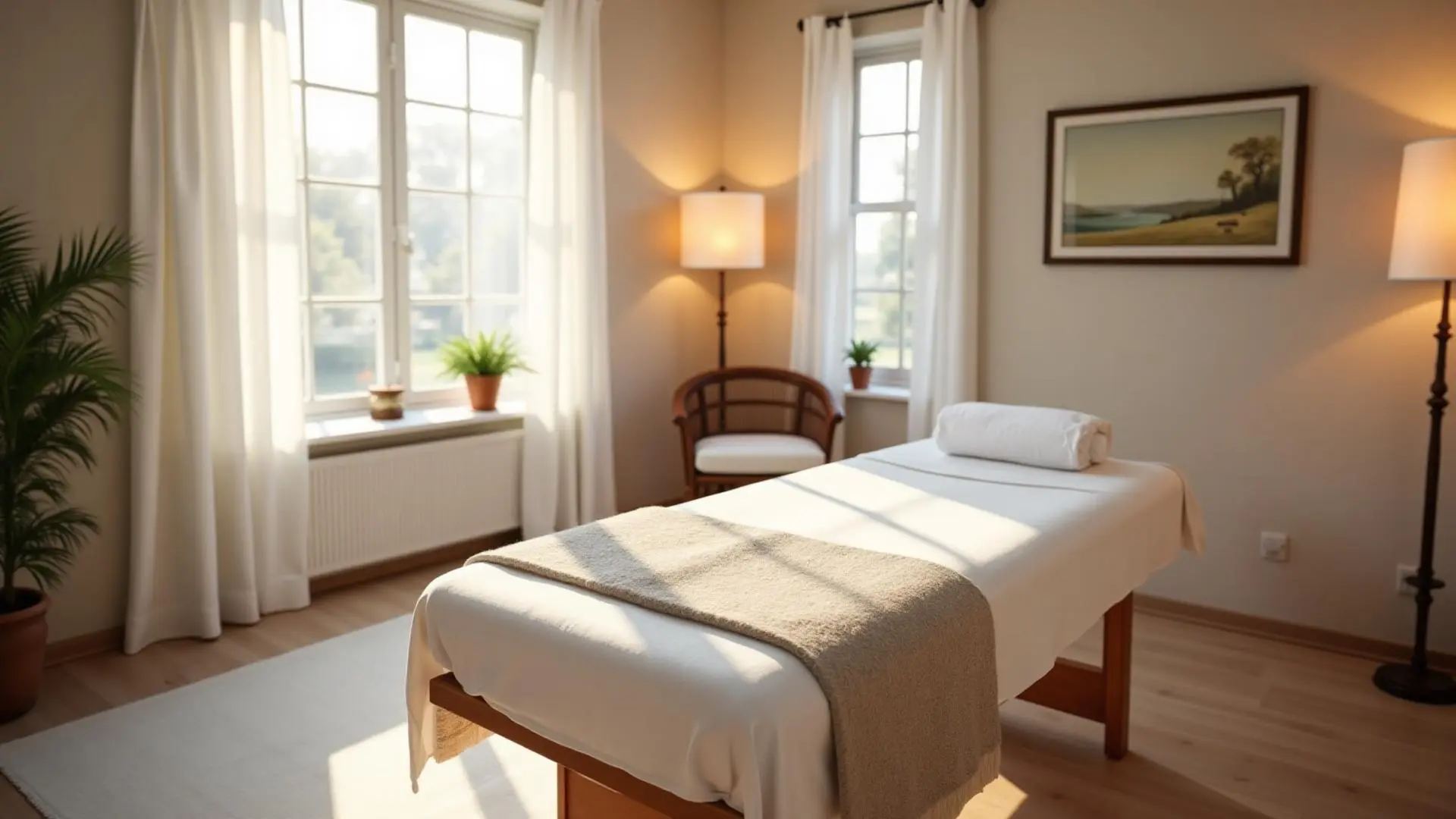
Therapeutic and relaxing massage from qualified therapists in Holborn, for stress, muscle tension and general wellbeing.
Massage uses hands-on pressure and movement over muscle and soft tissue to ease tension, encourage relaxation and support general wellbeing. Our Holborn clinic offers general and therapeutic massage alongside more specific styles such as deep tissue and sports massage, so a first conversation with your therapist can point you towards whichever suits what you actually need.
Massage therapy is hands-on treatment of muscle and soft tissue using pressure, kneading and stretching, aimed at relaxation, easing tension and supporting general wellbeing. Sessions at our Holborn clinic usually run 30, 60 or 90 minutes, start with a short conversation about what you want from the session, and use oil or a light lotion unless you prefer to keep clothing on for a firmer, dry technique.
A general massage slows things down. Clients often say the hour itself is the main benefit, separate from any effect on a specific problem.
Ordinary tightness from desk work, travel or standing for long periods responds well to a general massage, especially in the neck, shoulders and lower back.
Massage strokes are thought to encourage local blood flow through the tissue being worked, which is part of why an area can feel warmer afterwards.
Many people sleep better on the night of a massage. This is what clients report to us rather than a guaranteed effect.
If deep tissue or sports massage sounds too firm, a general massage uses lighter, longer strokes and can still be adjusted for pressure.
Some clients book monthly as routine maintenance alongside a busy job or training schedule, rather than waiting until something hurts.
A short conversation about tension areas, pressure preference, and anything your therapist should know, including any injuries or medical conditions.
Your therapist has a quick look and feel of the area to plan the session and confirm the pressure level with you.
Massage using oil or lotion, working through the areas agreed. Tell your therapist at any point if pressure needs to change.
Advice on hydration and stretching, and whether a firmer technique such as deep tissue or sports massage might suit you better next time.
Structural integration and sports massage therapist, trained in Anatomy Trains Structural Integration, sports massage, myofascial massage and ScarWork, and a member of the Sports Massage Association.
View full profileMassage therapist offering treatment tailored to what you need on the day, whether that is releasing shoulder tension, improving flexibility, or simply time to relax away from daily commitments.
View full profileAyurvedic practitioner and member of the Association of Ayurvedic Practitioners UK, offering Ayurvedic massage alongside consultations on diet, lifestyle and chakra balancing.
View full profileMassage therapist registered with the CNHC who also works across acupuncture, counselling and hypnotherapy, with more than twenty years in Central London clinics.
View full profilePractitioner of Traditional Chinese Medicine including Tuina massage, acupuncture and herbal medicine, and a past President of the National Institute of Medical Herbalists.
View full profileYou will normally undress to your own comfort level, most people leave underwear on, and lie on a couch under a towel with only the area being worked exposed. Oil or lotion is used unless you would rather stay clothed for a firmer, dry technique such as sports massage.
A general massage tends to use longer, flowing strokes rather than the sustained, targeted pressure of deep tissue work. It should feel firm enough to be useful but never sharply painful, and you can ask for lighter or firmer pressure at any point.
Massage at the clinic is not one single technique. Alongside general relaxation and remedial massage, our therapists bring styles from quite different traditions, and which one suits you depends on what you want from the hour.
Arrive a few minutes early, since the first appointment starts with a short health questionnaire and a conversation about what you want from the session. Mention medication, recent injuries, pregnancy, skin conditions and anything you would rather was left alone. Nothing about that conversation commits you to a particular pressure or technique.
If you are unsure which therapist or style to book, say what the problem is when you get in touch and we will suggest someone. People often start with a general hour and move to a firmer or more specific technique once it is clear where the tension actually sits.
Eat lightly beforehand, avoid alcohol, and try not to schedule something demanding straight afterwards. Most people feel relaxed and slightly slowed down for a few hours, which is part of the benefit rather than something to push through.
General massage has reasonable evidence for short-term relief of muscle tension and for reducing perceived stress and anxiety, with people commonly reporting better mood and sleep in the day or two after a session. Evidence for lasting change in chronic pain conditions is more limited, and massage tends to work best as part of a wider approach that includes movement and, where relevant, other treatment.
We will not promise more than the research supports. If your problem sounds like it needs a firmer, more targeted technique or a different kind of practitioner altogether, we will say so rather than keep booking general sessions that are not helping.
Massage is not statutorily regulated in the UK, so the standard to look for is training and membership of a recognised body such as the CNHC or the Sports Massage Association, which our therapists hold. Tell your therapist about any medical conditions, medication, pregnancy, recent surgery, varicose veins or skin problems before the session starts, since these can change what is safe to do and where.
Mild tenderness for a day afterwards is normal, particularly after firmer pressure. Anything unexplained, a new lump, unexplained swelling or pain that does not settle, should be checked by a GP rather than treated with massage.
"Perfect. Will be back for more!"
Anna S.
"Great location in the heart of the city! I would say it's a quiet oasis in a very busy area, a place to relax after a hard day at work."
Robert D.
Sessions are held at 46 Theobalds Road, a few minutes from Holborn station. Get in touch to arrange a time.
Book Appointment