"Perfect. Will be back for more!"
Anna S.
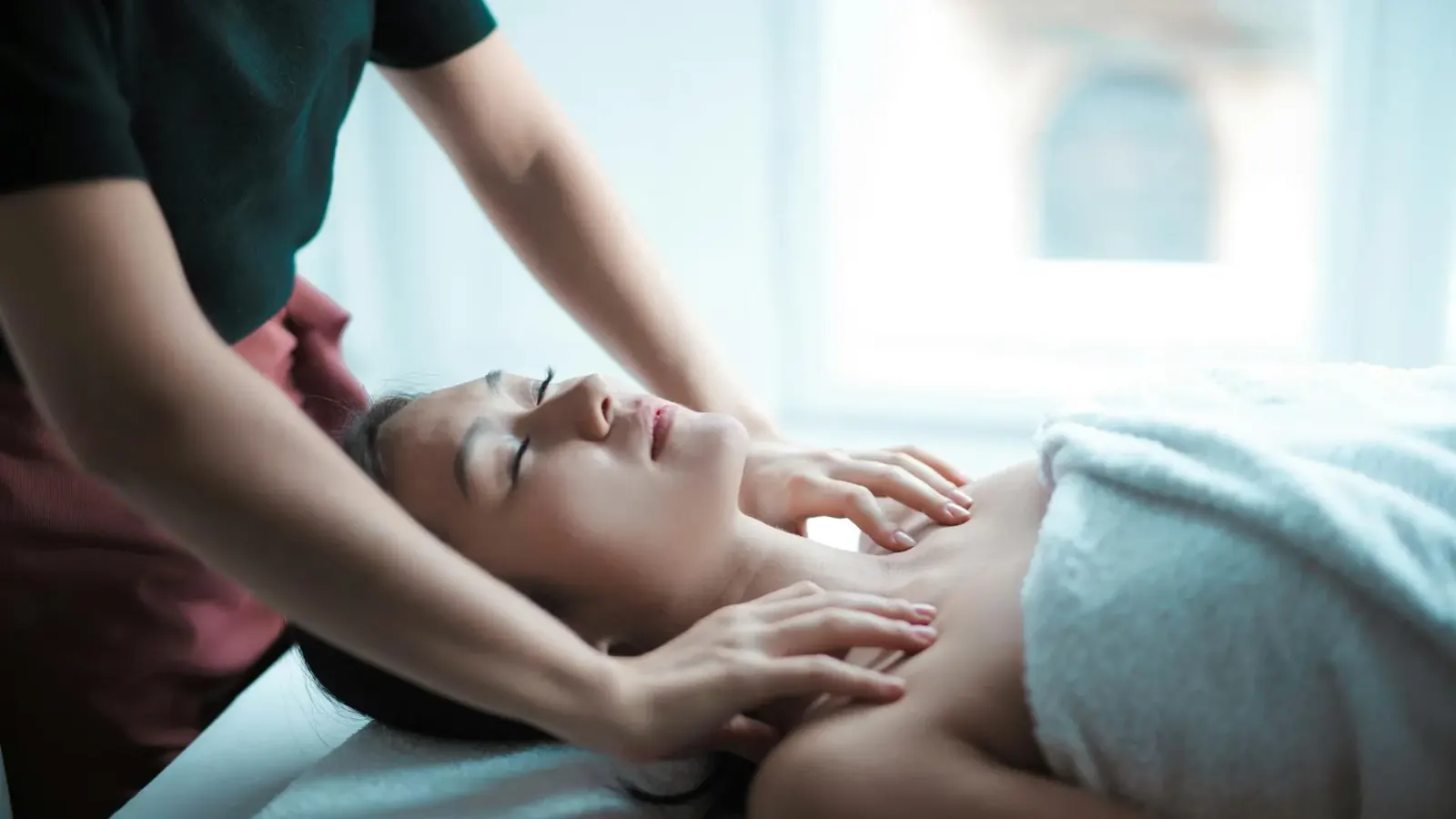
Targeted massage for training, recovery and injury prevention, from qualified sports massage therapists in Holborn.
Sports massage looks at muscle and soft tissue through the lens of movement and activity, whether that is training for an event, recovering from a hard session, or managing a muscular problem that keeps recurring with a particular sport. You do not need to be a competitive athlete to benefit, and our Holborn therapists see a wide range of people with active jobs and lifestyles.
Sports massage is a form of massage therapy focused on muscles and soft tissue affected by physical activity, used to help with training, recovery and injury prevention. It combines techniques such as deep tissue work, stretching and trigger point pressure, and a session usually starts with questions about your training or activity so the work can be aimed at the areas that matter for what you are doing. It is used both by athletes and by anyone with an active job or lifestyle, not only competitive sportspeople.
Regular sessions alongside training are used to keep muscles that are working hard from becoming persistently tight.
Massage after a hard training block or event is often used to help muscles feel less tight and sore in the days that follow.
Picking up tightness or imbalance before it becomes a problem is one of the main reasons regular clients keep booking.
Combined stretching and massage techniques can temporarily improve range of movement, which is useful before a specific event.
Massage strokes are thought to support local blood flow through worked muscle, part of why the area often feels warmer afterwards.
Physical jobs, regular gym sessions or an active hobby all put load through muscles in a similar way, and sports massage suits that too.
Discussion of your training schedule, injury history and what you want from the session, whether that is preparation, recovery or general maintenance.
Your therapist checks for tight muscles, trigger points and any restriction in movement relevant to your sport or activity.
A combination of deep tissue work, stretching and, where useful, techniques such as soft tissue release, tailored to the areas that need it.
Stretches to do at home, any advice on modifying training in the short term, and a suggested schedule if you are booking regularly.
ISRM registered sport and remedial therapist and BAcC registered acupuncturist, in practice since 2003, who works with sportspeople, dancers and performers alongside his acupuncture and Chinese medicine work.
View full profileSports massage therapist and member of the Sports Massage Association, also trained in Anatomy Trains Structural Integration and ScarWork, working with athletes, teenagers and older people.
View full profileLondon School of Sports Massage graduate working as a massage therapist for more than 16 years, with a particular interest in running injuries from his own experience as a marathon runner.
View full profileRemedial soft tissue therapist since 2007 with a BTEC Level 5 Diploma in Soft Tissue Therapy and an SNT Level 5 Clinical Sport and Remedial Massage Diploma, with a longstanding interest in athletics.
View full profileThe timing of a sports massage changes what your therapist will do. A session a few days before an event tends to be lighter, aimed at leaving muscles ready rather than sore, while very deep work is usually avoided the day before something important. A post-event session, typically 24 to 48 hours afterwards, is more about easing soreness and checking nothing has been aggravated.
Regular maintenance sessions, whether weekly, fortnightly or monthly depending on your training load, are used by many clients to keep on top of tightness rather than waiting for a problem to build up.
Sports massage has reasonable evidence for short-term reduction in perceived muscle soreness and for a temporary increase in flexibility, both useful around training and events. Evidence that it meaningfully changes injury rates or long-term athletic performance is weaker, and results vary between studies and between individuals.
We treat it as a useful part of a training programme rather than something that replaces good training design, adequate rest or, where an injury has actually occurred, proper assessment and rehabilitation.
Sports massage therapy is not statutorily regulated in the UK, so look for training and membership of a body such as the Sports Massage Association or the CNHC, which our therapists hold. Tell your therapist about any recent injury, swelling, numbness or sharp pain, since a fresh injury may need assessment by a physiotherapist or doctor before massage is appropriate.
Mild soreness for a day or so after a firm session is normal. Anything that feels like it might be a tear, a stress fracture, or numbness and tingling that does not settle should be checked by a healthcare professional rather than treated with massage.
Most sessions use several of these rather than one. Which ones, and in what order, depends on whether you are preparing for something, recovering from it, or working through a pattern of tightness that keeps returning.
Runners tend to arrive with calves, Achilles, hamstrings and the outside of the hip, particularly when mileage has jumped or a new pair of shoes has entered the picture. Cyclists bring hip flexors, quadriceps and a stiff upper back from time spent in position. Gym and strength training brings shoulders, upper back and the muscles around the hip, usually after a change in programme.
Racket sports and climbing load forearms, shoulders and the mid back, often on one side more than the other. Football and team sports bring hamstrings, groin and calves, with the added complication of matches landing on tired legs. Telling your therapist what you actually do in a normal training week, including the sessions you skip, changes the plan more than any single symptom does.
"Perfect. Will be back for more!"
Anna S.
"Great location in the heart of the city! I would say it's a quiet oasis in a very busy area, a place to relax after a hard day at work."
Robert D.
Sessions are held at 46 Theobalds Road, a few minutes from Holborn station. Get in touch to arrange a time.
Book Appointment