"Perfect. Will be back for more!"
Anna S.
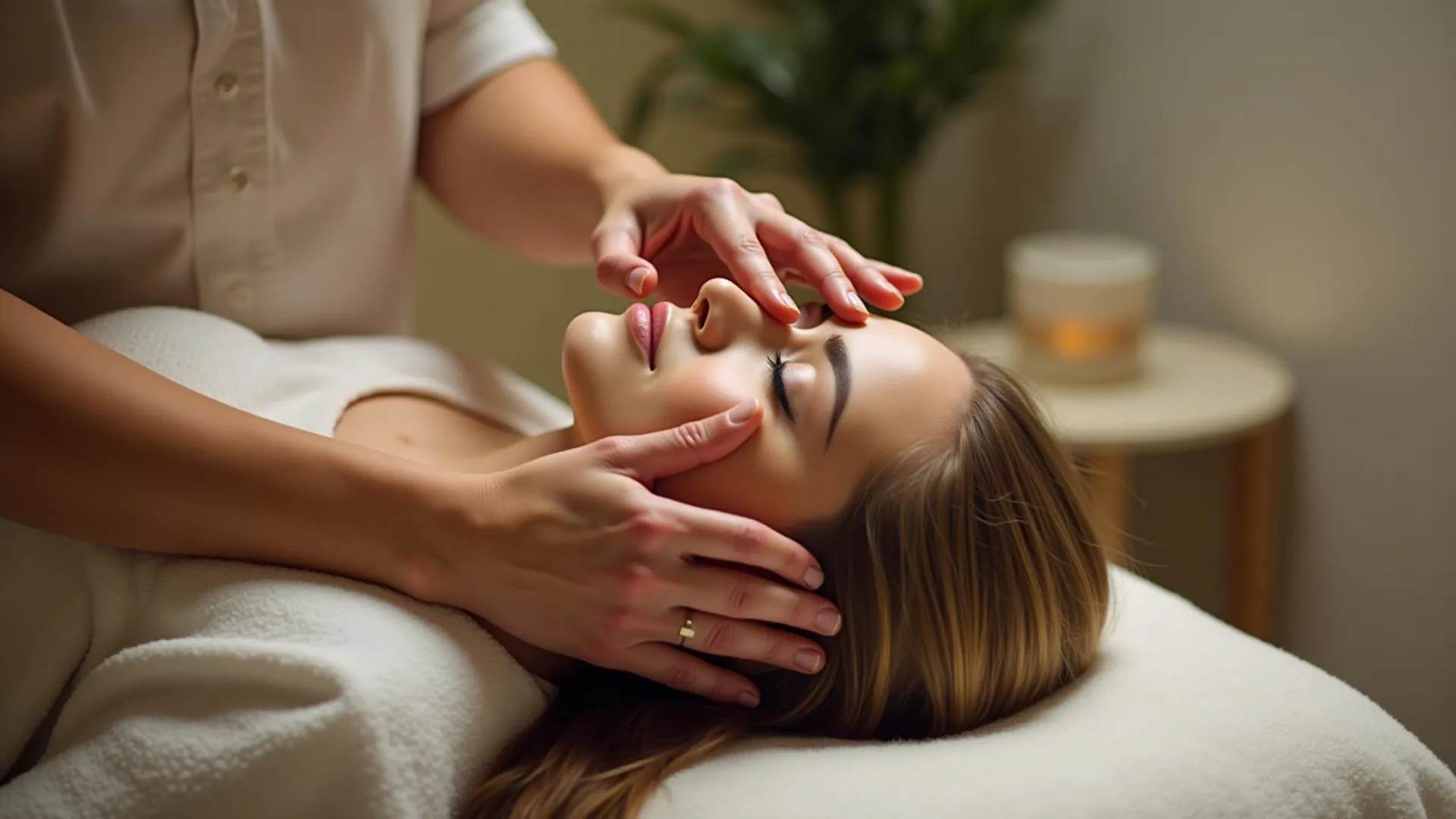
Very gentle, hands-on treatment in Holborn, using light touch to support the body's own regulation, offered alongside osteopathy and other body-based therapies.
Craniosacral therapy is a gentle, hands-on treatment using very light touch, often no more than the weight of a coin, over the head, spine and other parts of the body. Practitioners describe working with subtle rhythms in the tissues to help the body settle and self-regulate. At our Holborn clinic it is offered by a registered craniosacral therapist and by an osteopath who trained in the approach as part of a wider set of skills.
Craniosacral therapy is a gentle manual therapy in which the practitioner uses very light touch, usually on the head, spine, sacrum and sometimes other areas, while you lie fully clothed on a treatment table. It is intended to be calming and is often used for stress, tension headaches, and general nervous system settling. Most people describe it as extremely gentle, sometimes barely noticeable, and many feel deeply relaxed or fall asleep during a session. It is not a forceful or manipulative technique in the way some other manual therapies are.
The gentle, still quality of the treatment is settling for many people, and is one of the main reasons clients return for it.
Some people find gentle cranial and neck work eases tension-type headaches, used alongside rather than instead of other appropriate care.
Used by some as gentle, supportive care after a demanding period, an illness, or alongside other treatment for a musculoskeletal problem.
Craniosacral therapy is offered to babies and children by practitioners experienced in this area, generally as very light, brief contact.
Some expectant mothers find the gentle, restful nature of a session comfortable during pregnancy, with positioning adapted appropriately.
Many clients come simply for the deeply restful quality of the treatment, without a specific complaint in mind.
A conversation about your health history, current symptoms and what you would like from the session.
You lie fully clothed on the treatment table while your practitioner makes gentle initial contact, often at the feet, head or sacrum.
Light touch is sustained at different points, with your practitioner following what they feel in the tissues. Most of the session is still and quiet.
A few minutes to reorient before sitting up, followed by a short discussion of what you noticed and any suggestions for after the session.
Craniosacral therapist registered with the Craniosacral Therapy Association UK, trained at the College of Cranio-Sacral Therapy. She works with both biodynamic and biomechanical aspects of the approach, and treats adults, children, babies and expectant mothers.
View full profileGOsC registered osteopath with almost a decade of advanced study with the Sutherland Cranial College, alongside his broader osteopathic training. He tends to bring craniosacral work into a wider treatment plan for persistent pain rather than offering it as a standalone therapy.
View full profileYou stay fully clothed throughout and lie on a treatment table, usually on your back. Your practitioner rests their hands very lightly on the head, spine, sacrum, or elsewhere, and holds this contact for some minutes at a time. There is no clicking, cracking or forceful pressure. Some people feel warmth, subtle movement or a sense of release; others notice very little beyond a general deep relaxation.
It is common to fall asleep or lose track of time during a session, and this is not a problem. Afterwards people often describe feeling calm, slightly spaced out, or simply very rested for the rest of the day.
Craniosacral therapy has developed along two related strands. Biomechanical approaches, closer to the technique's origins in cranial osteopathy, focus on specific structures and their movement. Biodynamic approaches take a broader view of the body's own regulating rhythms and tend to involve even lighter, more sustained contact. Ewa works with elements of both, adapting to what she finds useful for you.
Brian's cranial training sits within his wider osteopathic practice, so with him the work is usually one part of addressing a specific pain problem rather than a full craniosacral session on its own.
The evidence base for craniosacral therapy is limited, and the proposed mechanism, a palpable rhythm in the fluid around the brain and spinal cord, is not well supported by physiological research. Where trials exist, they are generally small and the specific effect of craniosacral technique versus general relaxation and attentive touch is hard to separate out.
We offer craniosacral therapy as a very gentle, low risk treatment that many people find restful and calming, rather than as a proven treatment for a specific medical condition. If you have a diagnosed condition, please keep your GP or specialist involved and let your practitioner know what is going on.
Because the touch involved is so light, craniosacral therapy has a good safety record and is considered suitable for most people, including babies, children, older adults and pregnant women, when delivered by an appropriately trained practitioner. Rarely, people feel emotional or tearful during or after a session as tension releases, which usually settles quickly.
Craniosacral therapy is not statutorily regulated in the United Kingdom. Ewa is registered with the Craniosacral Therapy Association UK, which is the recognised professional body to look for, and Brian's cranial training sits within his GOsC registration as an osteopath.
People often arrive after a long period of stress, poor sleep or illness, wanting something restful that asks nothing of them physically. Others come because stronger hands-on treatment has felt like too much, whether because of pain sensitivity, a recent operation or simply a preference for gentler work. Parents also bring babies and small children, who tolerate very light contact well.
It is also chosen during pregnancy and after birth, when comfort and positioning matter and firmer techniques may not be appropriate. In all of these cases the appeal is the same: minimal intervention, unhurried time on the table and a practitioner paying close attention.
"Perfect. Will be back for more!"
Anna S.
"Great location in the heart of the city! I would say it's a quiet oasis in a very busy area, a place to relax after a hard day at work."
Robert D.
Sessions are held at 46 Theobalds Road, a few minutes from Holborn station. Get in touch to arrange a time.
Book Appointment