"Perfect. Will be back for more!"
Anna S.
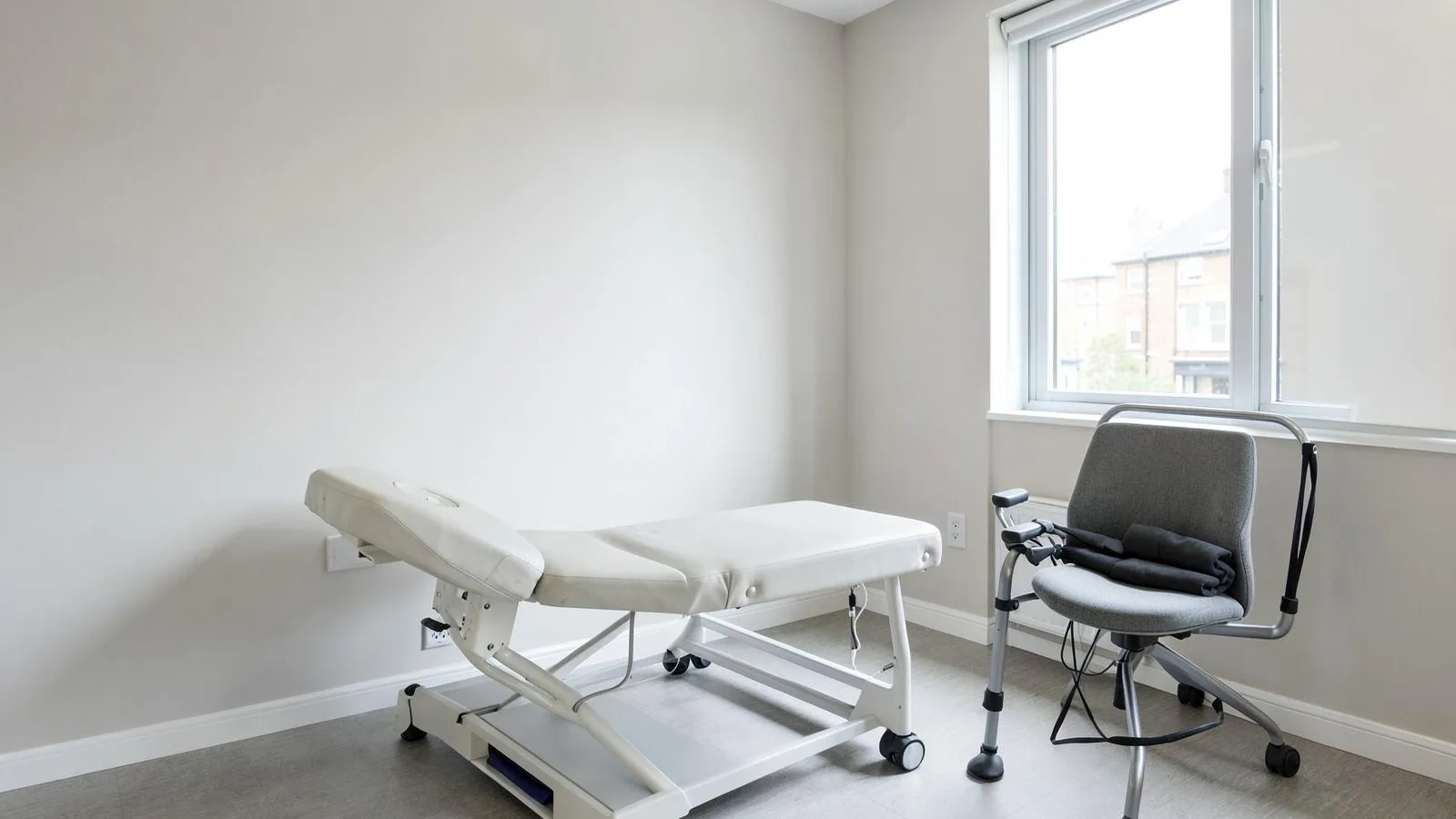
A joined-up approach to long-term pain in Holborn, combining osteopathy, physiotherapy and acupuncture in one clinic, alongside your GP or specialist care.
Chronic or persistent pain, generally meaning pain lasting more than three months, is often more complicated than a single injury, and rarely responds to just one type of treatment. Our Holborn clinic brings together practitioners who specialise in this area, an osteopath with additional training in chronic pain and acupuncture, and an advanced physiotherapist, so your care can draw on more than one discipline without you having to find and coordinate several separate clinics.
Chronic pain is pain that persists beyond the normal healing time for an injury, often three months or more, and it frequently involves changes in the nervous system as well as whatever started it. At our Holborn clinic, chronic pain support means an assessment with an osteopath or physiotherapist experienced in persistent pain, followed by a plan that may include hands-on treatment, acupuncture, guided exercise and practical advice on pacing and activity. We work alongside your GP or pain clinic, not instead of them, and we will tell you plainly if what you are describing needs medical assessment first.
The most common reason people come, often after pain has become long-standing and stopped responding to short courses of treatment elsewhere.
Combining acupuncture with hands-on treatment for the neck and shoulders is a common approach for headaches that have become frequent.
Both of our specialists in this area have direct experience with hypermobility, which needs a different approach to exercise and manual therapy than standard advice.
Structured, gradual rehabilitation, with exercise built up carefully rather than pushed too hard too soon.
Support with pacing activity sensibly, rather than the common cycle of doing too much on a good day and paying for it for several days after.
Both specialists have backgrounds in performance and sport, which shapes how they assess movement, load and posture in active people.
A detailed history of the pain, what makes it better or worse, previous treatment and investigations, and a physical examination.
An honest discussion of what is likely to help, over what timescale, and which combination of hands-on treatment, acupuncture or exercise fits your situation.
Manual therapy techniques suited to the tissue and problem, with acupuncture added where your practitioner is trained in it and it is appropriate.
Specific exercises to build strength and tolerance gradually, and practical advice on pacing activity through good and bad days.
GOsC registered osteopath and chronic pain specialist. He completed the British Medical Acupuncture Society foundation course including headache and migraine training, studied Acceptance and Commitment Therapy for chronic pain, and has almost a decade of advanced study with the Barral Institute and Sutherland Cranial College. A former professional dancer, he brings particular understanding to movement, load and hypermobility.
View full profileHCPC registered advanced physiotherapist and member of the Chartered Society of Physiotherapy, with close to ten years in physiotherapy and twenty years in sports and remedial massage. She treats lower back, neck, shoulder, hip and knee pain, nerve impingement and rehabilitation before and after surgery, and is also a qualified acupuncturist.
View full profilePain that has lasted months or years often behaves differently to a fresh injury. The nervous system can become more sensitive over time, so pain can persist, or flare unpredictably, even after tissue has healed. This does not mean the pain is not real. It means treatment often needs to combine hands-on work with exercise, pacing, and sometimes acupuncture, rather than relying on one approach alone.
Both Brian and Melissa have trained specifically in this area, beyond their core professional qualifications, because straightforward musculoskeletal treatment does not always translate well to long-standing pain.
A typical plan might combine osteopathic or physiotherapy treatment for the affected area, a graded exercise programme to build tolerance and confidence in movement, and acupuncture where it is likely to help with pain or sleep. The exact mix depends entirely on what you present with, and your practitioner will explain their reasoning rather than applying a fixed protocol.
Because Brian and Melissa are both based at the same Holborn clinic, if your situation would benefit from input from the other, or from one of our acupuncturists, that conversation can happen directly rather than you needing to seek out a referral elsewhere.
NICE guidance on chronic pain (NG193) recommends supervised exercise programmes and considering a course of acupuncture for chronic primary pain, while being cautious about long-term reliance on some pain medications. Guidance on low back pain and sciatica (NG59) similarly emphasises exercise and manual therapy as part of a package of care rather than any single treatment in isolation.
Persistent pain rarely has a single fix, and we would rather set realistic expectations about gradual improvement than promise more than manual therapy and exercise can deliver. If your pain needs specialist medical input, such as pain clinic assessment or investigation for an underlying condition, we will say so and support you in seeking it.
Persistent pain can occasionally be a sign of something that needs urgent or specialist medical attention, particularly if it is new, worsening, accompanied by unexplained weight loss, night pain, fever, or neurological symptoms such as numbness or weakness. Your practitioner will screen for this at assessment and refer you back to your GP if anything needs checking first.
Osteopathy is regulated by the General Osteopathic Council and physiotherapy by the Health and Care Professions Council, both of which are statutory regulators. We encourage you to keep your GP or pain clinic informed of any treatment you have here, particularly if you are also taking pain medication or under specialist care.
Two things tend to make persistent pain harder to live with than the pain itself: the boom and bust cycle, where a good day is used to catch up on everything and is followed by several bad ones, and broken sleep, which lowers pain tolerance the following day. Both respond to practical work rather than more treatment.
Pacing means setting an activity level you can repeat tomorrow rather than one that depends on how you feel today, then increasing it gradually. Flare-ups are planned for in advance, with a short list of things that reliably help, so that a bad week does not undo a course of progress. Sleep is addressed early, since improvement there often makes everything else easier.
"Perfect. Will be back for more!"
Anna S.
"Great location in the heart of the city! I would say it's a quiet oasis in a very busy area, a place to relax after a hard day at work."
Robert D.
Sessions are held at 46 Theobalds Road, a few minutes from Holborn station. Get in touch to arrange a time.
Book Appointment