Back Pain: Natural Support in Holborn, Central London
Back pain is one of the most common reasons people come to London Natural Health Centre. Our practitioners work with clients whose pain has just started, with clients who have lived with it for years, and with those who are trying to build more resilient movement after an injury or surgery.
About back pain
Most people will have back pain at some point in their life. The NHS describes it as usually not being caused by anything serious and often improving within a few weeks, though for some it returns or lingers. NICE guidance supports an active approach, including manual therapies such as osteopathy and a return to gentle movement rather than long periods of bed rest.
For our clients, the causes are varied. We see plenty of office workers whose lower back complaints have built up slowly over years at a desk. We see people returning to running, tennis, or the gym, who have aggravated something during a workout. We see parents of small children whose backs are simply tired. And we see clients whose pain has a clearer structural cause that a doctor has already looked into.
How we can help
Our Holborn practitioners draw on several well established approaches. The most common for back pain are:
Osteopathy. A registered osteopath (all our osteopaths are General Osteopathic Council registered) assesses how the joints and soft tissues of the back, hips, and shoulders are moving, and uses gentle manual techniques to improve mobility and reduce protective muscle tension. Osteopathy is one of the manual therapies NICE recommends as an option for people with low back pain and sciatica.
Sports and deep tissue massage. Aimed at the muscular component of back pain, sports massage releases tight tissue around the lumbar spine and hips and can help you get moving again more comfortably. It's often used alongside osteopathy or as a standalone treatment when the issue is predominantly muscular.
Acupuncture. For chronic pain (pain that has persisted for three months or more), NICE guideline NG193 recommends a single course of acupuncture delivered by a trained professional as one of the options worth considering, with evidence showing improvements in quality of life for up to three months.
Physiotherapy. If restoring function is the priority, our physiotherapist can build a programme of targeted exercise and movement retraining alongside any hands on work.
Many of the people who come to us with back pain end up combining two of these. A common pattern is a course of osteopathy to address the mechanical piece, with sports massage in between appointments for the muscular side.
What to expect at your first visit
Your first session is longer than follow up appointments, typically up to an hour. Your practitioner will ask about your history, your activities, any previous injuries, and the pattern of the pain. They'll do a physical assessment, explain what they think is going on, and talk you through their proposed approach. Treatment begins in the same session in most cases.
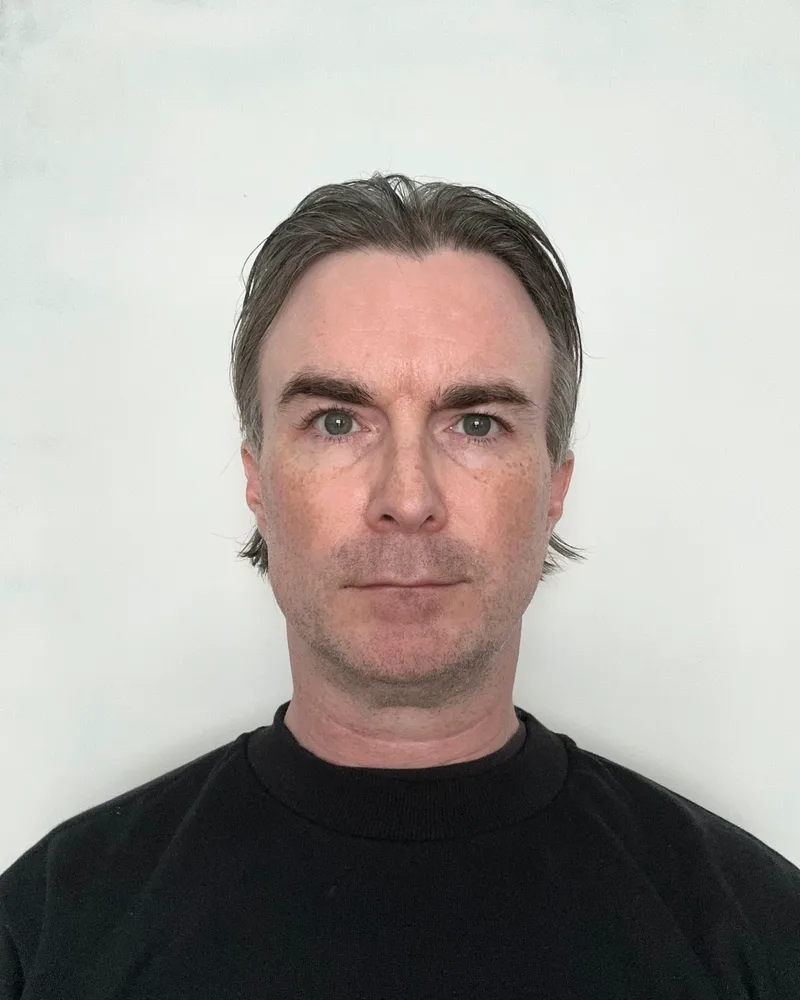
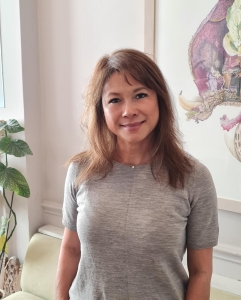
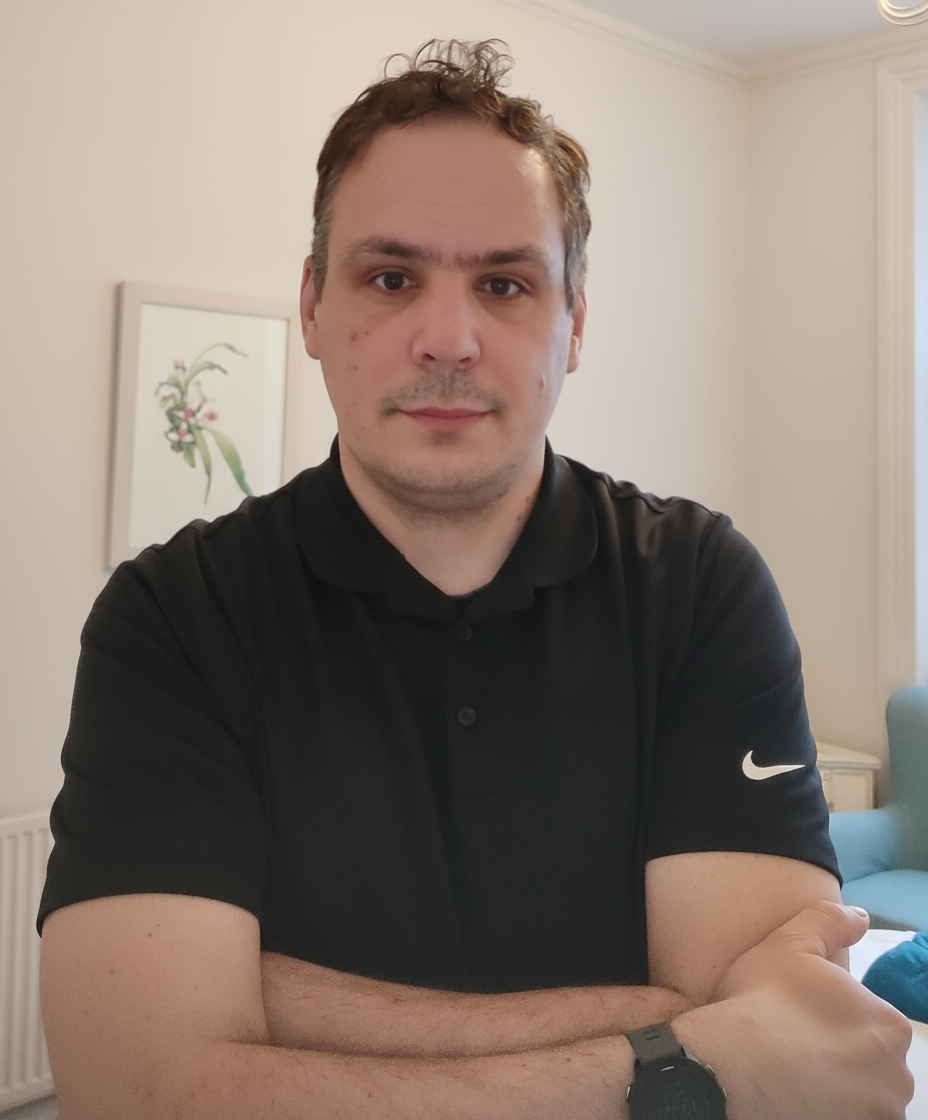
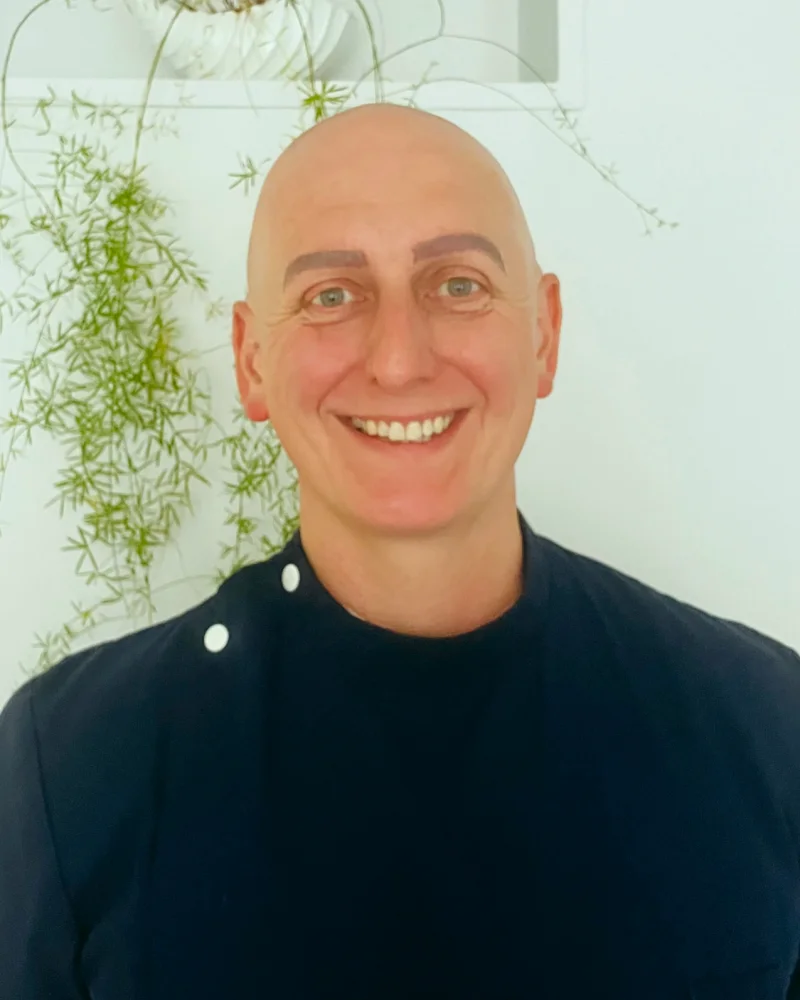
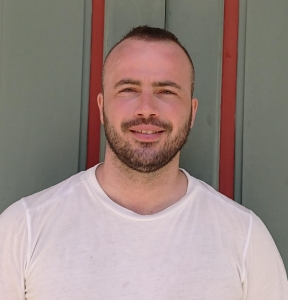
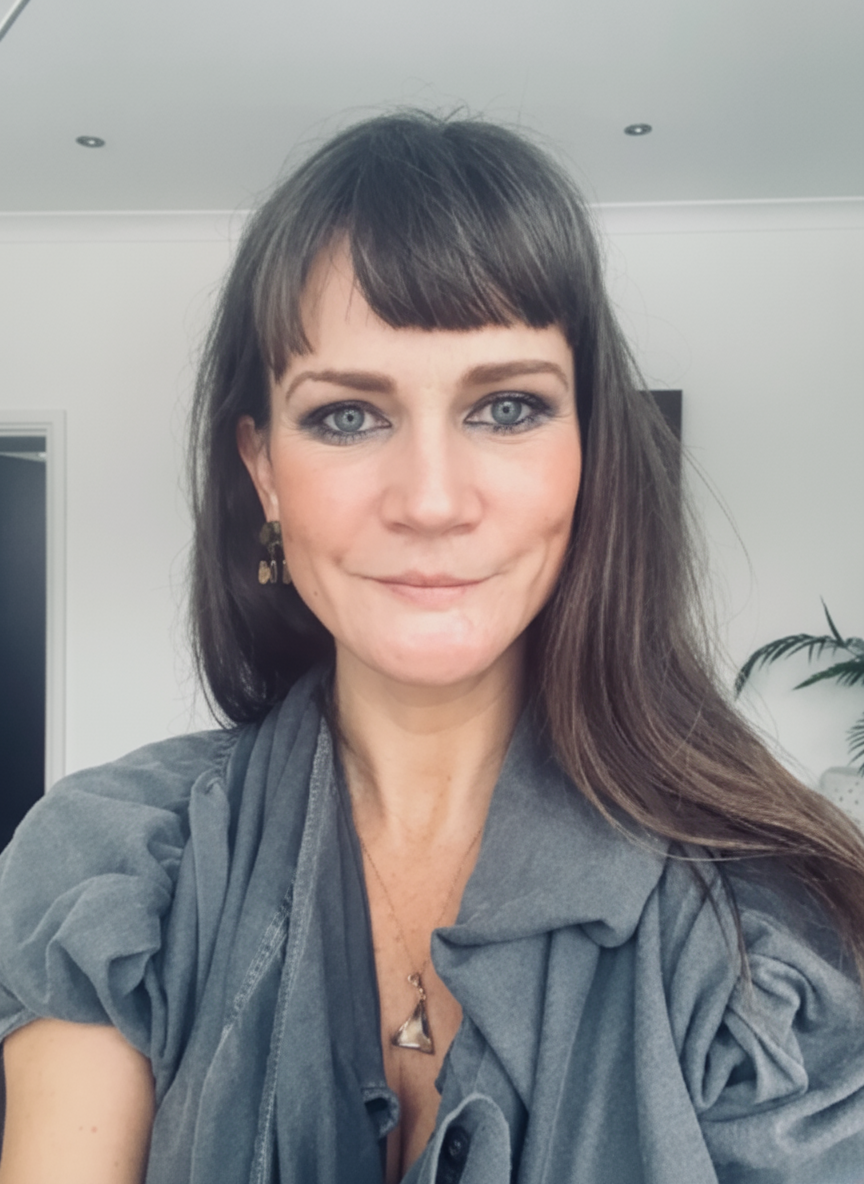
Practitioners who work with back pain
Ready to talk to someone?
Speak to our reception team and we'll help you find a sensible starting point.
This page is general information, not medical advice. Please talk to your GP about any new or worsening back pain, and let your practitioner know about any medical conditions or medications before your first session.