Chronic Pain: Compassionate, Evidence Informed Support
Chronic pain is pain that has lasted, or kept returning, for more than three months. Living with it is often exhausting, and the journey through conventional medicine doesn't always feel like enough on its own. Our Holborn clinic supports clients who are looking for a complementary route that fits alongside their medical care.
About chronic pain
In April 2021, NICE published updated guidance on chronic pain (NG193). It makes a clear recommendation against several commonly used painkillers for chronic primary pain and instead puts non pharmacological options at the centre of care: supervised exercise, psychological therapies such as acceptance and commitment therapy or cognitive behavioural therapy, and a single course of acupuncture delivered by a trained professional. This was a significant shift, and it changed what complementary clinics can honestly say about their role.
Chronic pain at our clinic covers a wide territory. Some clients live with conditions where the cause is clear (osteoarthritis, a previous injury). Others have pain that hasn't attached to a specific diagnosis (chronic primary pain, fibromyalgia, chronic low back pain without a clear structural cause). For all of them, the goal is usually the same: fewer bad days, more predictable days, and a wider margin of activity before the pain comes back.
How we can help
Acupuncture. NICE NG193 recommends a single course of acupuncture, delivered by a trained professional, for chronic primary pain. Evidence reviewed by the NICE committee showed improvements in pain and quality of life for up to three months. Our BAcC registered acupuncturists work with clients on chronic pain routinely, and will be honest with you about how likely you are to respond.
Osteopathy. For chronic pain that has a mechanical layer (a desk posture that's built up over years, an old injury that never fully resolved, restricted movement in the hips or lower back), osteopathy addresses the structural picture alongside any work you're doing with medical professionals. All our osteopaths are GOsC registered.
Sports massage and deep tissue work. Chronic pain is often accompanied by persistent muscular guarding, where the body protects a painful area by tightening around it. Targeted massage can take pressure out of this pattern and give you back a little room to move.
Mindfulness and meditation. NICE recommends psychological approaches like ACT and CBT for chronic primary pain, delivered by trained health professionals. Our meditation teacher leads weekly classes that a good proportion of our chronic pain clients find a helpful complement to their other self care. This is not a substitute for psychological therapy, but for many people it sits alongside well.
Counselling and psychotherapy. Where pain has a significant emotional or anxiety component, our UKCP accredited psychotherapists work with clients on the weight it carries in daily life.
What to expect at your first visit
Your first session is a careful conversation as much as a physical treatment. Your practitioner will want to understand the history, what has already been tried, what your day looks like, and what a good outcome would look like for you. Expect honesty; complementary care can be helpful for many people with chronic pain, and it isn't helpful for everyone. We would rather tell you we're not sure than promise you a result.
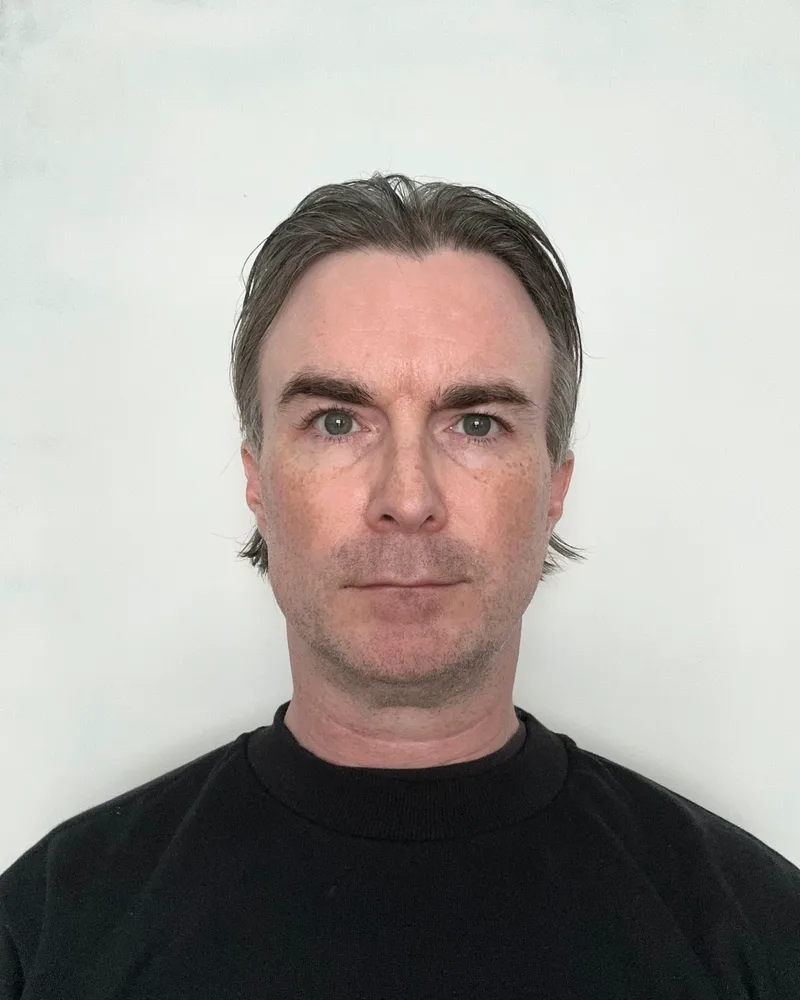
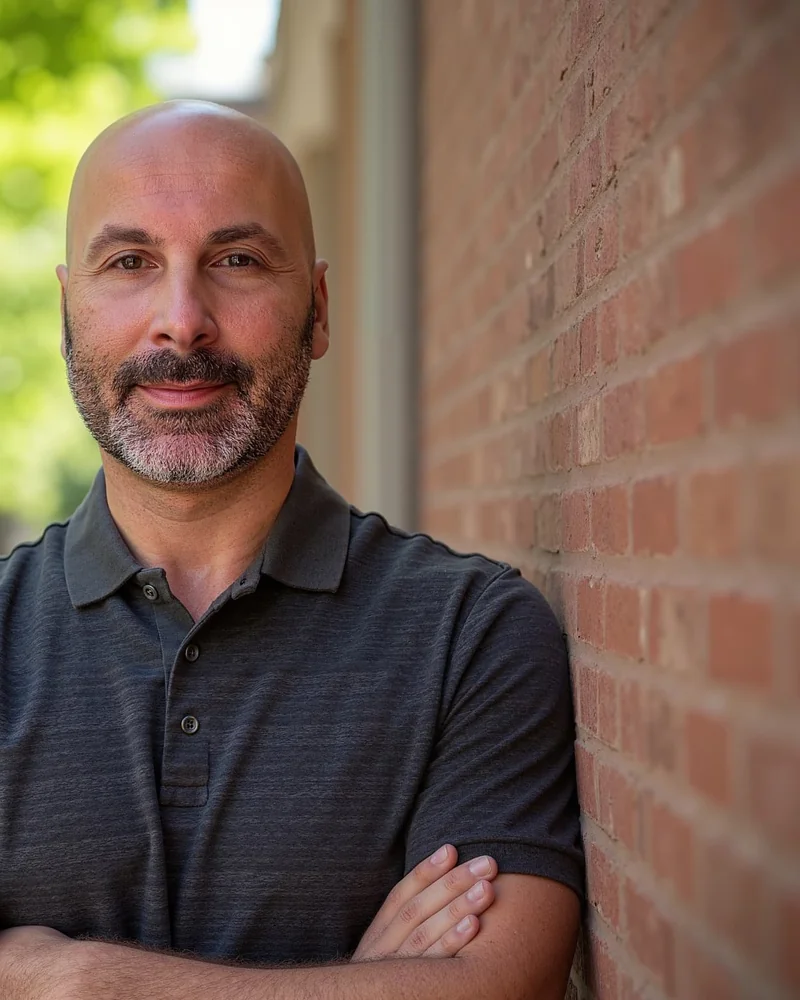
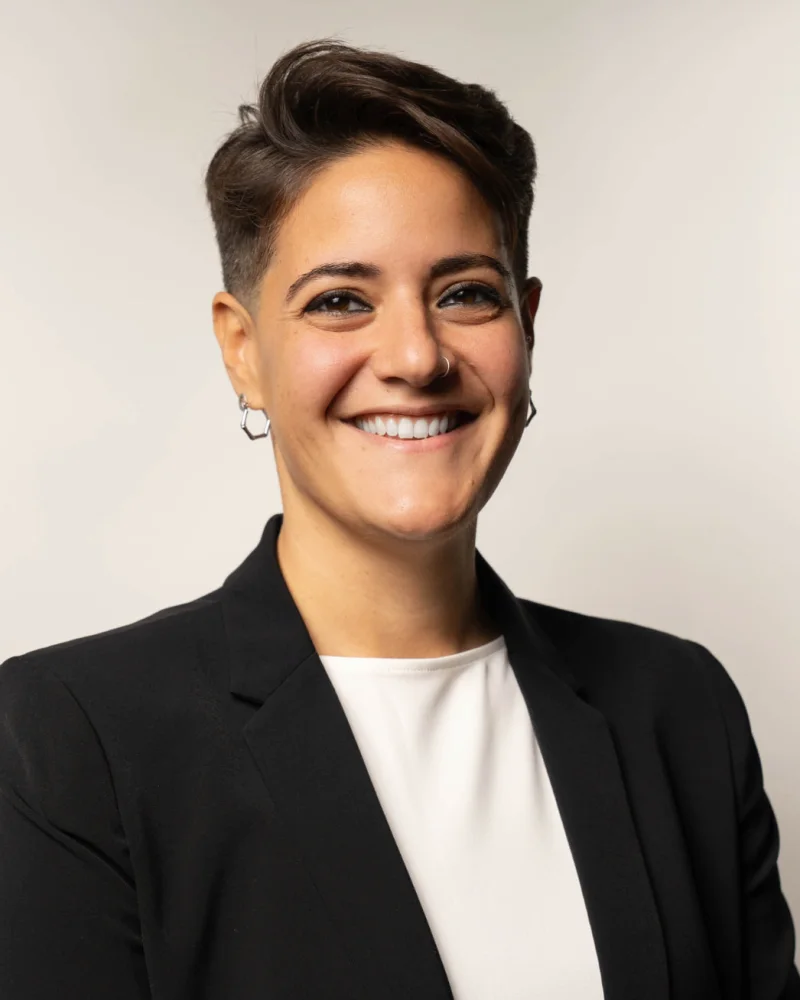
Practitioners who work with chronic pain

Ready to talk to someone?
Speak to our reception team and we'll help you find a sensible starting point.
This page is general information, not medical advice. Complementary care for chronic pain works best alongside, not in place of, your medical team.