Sports Injuries: Get Back to Moving Well
Our Holborn clinic sees plenty of runners, cyclists, weekend footballers, yogis, gym regulars, and desk bound athletes whose bodies have had a difficult week. Whether you're rehabilitating a specific injury or nursing a niggle before it becomes one, our practitioners are experienced at this end of the caseload.
About sports injuries
Sports injuries range from the acute (a pulled hamstring during a sprint, a rolled ankle on a trail) to the overuse (runner's knee, tennis elbow, achilles tendinopathy) to the post match stiffness that takes longer to fade than it used to. Most respond well to a combination of appropriate rest, hands on care, and a graduated return to load.
For our clients, the most common concerns are lower back strain, hamstring and quadriceps tightness, knee pain, calf and achilles complaints, and shoulder restriction. Sports massage is the most common reason athletes come in the door, but the right starting point depends on what's going on.
How we can help
Sports massage and deep tissue massage. Several of our therapists come from a sports massage background, including therapists with LSSM training and clinical experience with athletes at a variety of levels. Sports massage is useful both as maintenance (keeping tissue quality good between training blocks) and as treatment (for tight, restricted, or post injury tissue).
Osteopathy. When an injury is affecting how you move as a whole (a hip that isn't tracking well, shoulders that aren't rotating evenly), osteopathy looks at the chain rather than just the painful bit. Our GOsC registered osteopaths work with plenty of sporting clients.
Physiotherapy. For injuries where a progressive return to load is the priority, our CSP affiliated physiotherapist can build you a rehabilitation plan and keep adjusting it as you progress.
Muscle energy technique and myofascial release. Specialist soft tissue approaches that some of our therapists use for persistent restrictions that don't fully release under general massage.
Preventative care
A large share of our sporting caseload is not injured; they come in monthly for maintenance sports massage, or they see an osteopath every few weeks across a race build. Complementary care in this mode is less about fixing something broken and more about keeping small issues from becoming bigger ones.
What to expect at your first visit
Plan for an hour. Your practitioner will ask about your training, your injury history, the current complaint, and what you want to get back to. They'll assess how you're moving, identify what they think is contributing, and start treatment in the same session. Most clients with a specific injury come for a short block (three to six sessions) rather than open ended appointments.
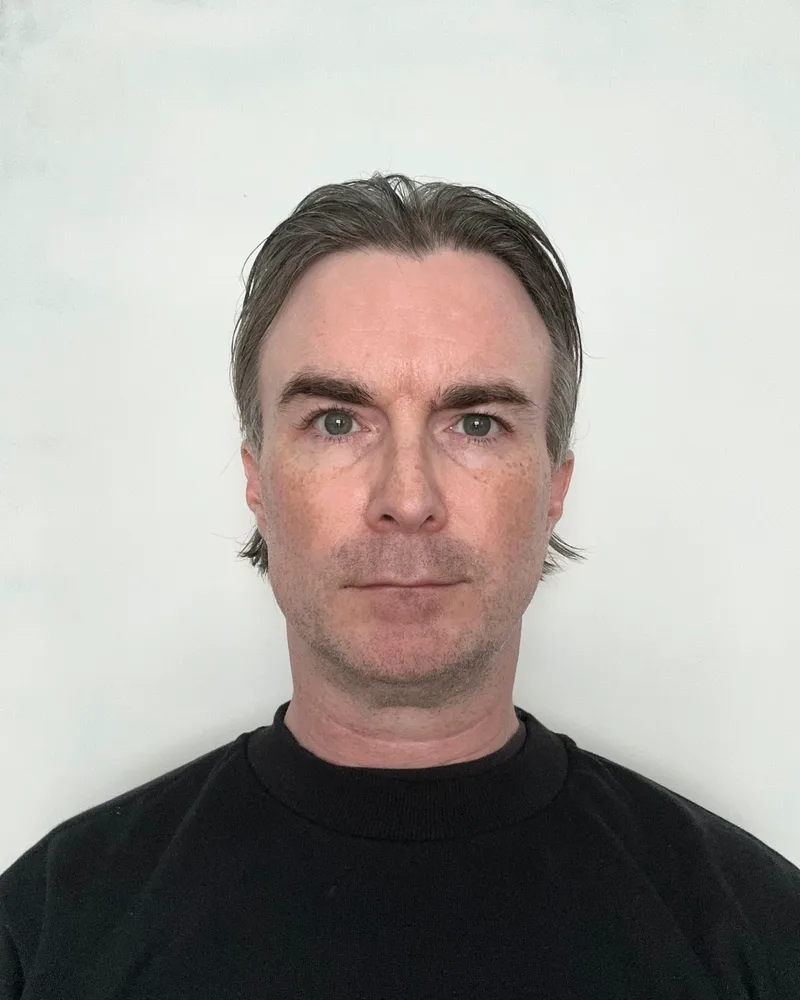
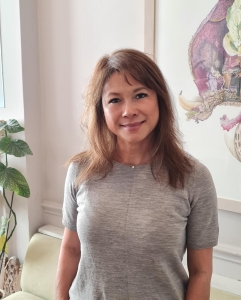
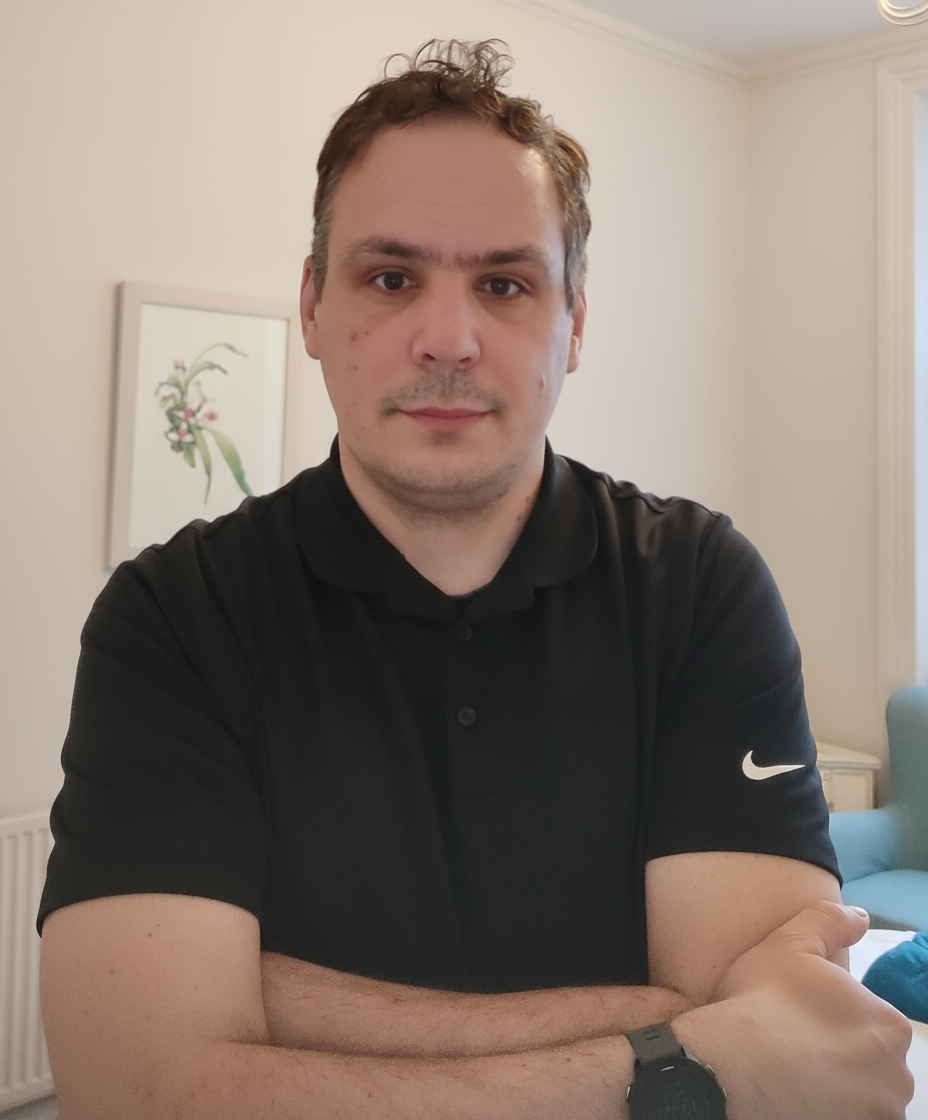
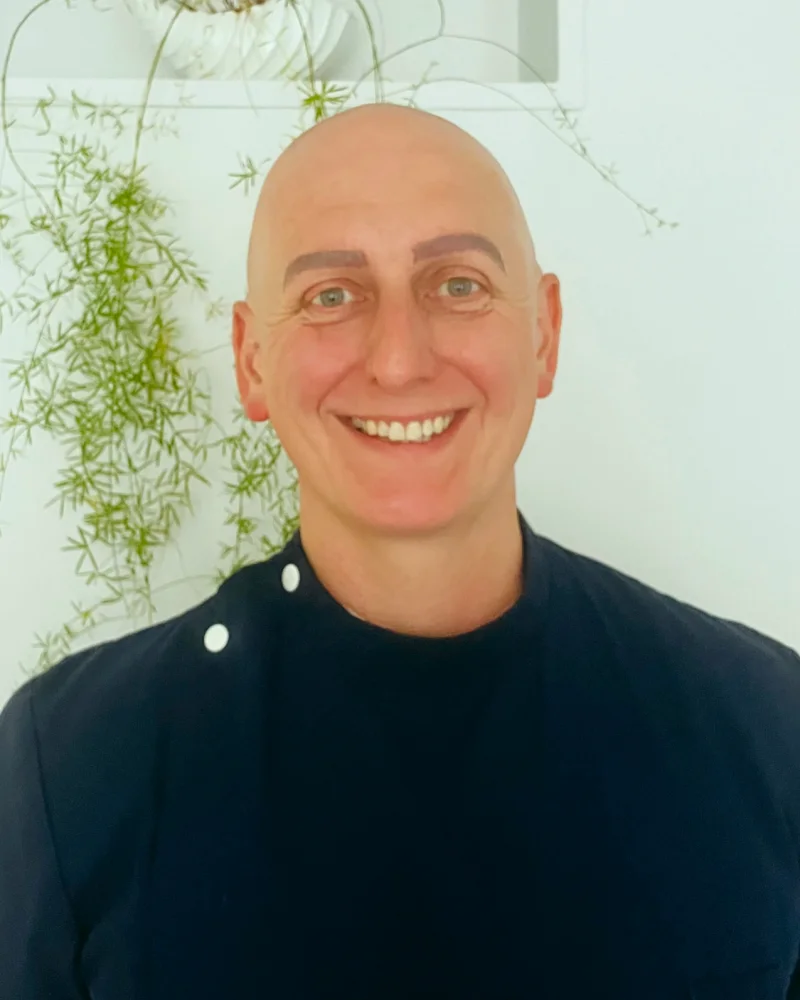
Practitioners who work with sports injuries

Ready to talk to someone?
Speak to our reception team and we'll help you find a sensible starting point.
This page is general information, not medical advice.